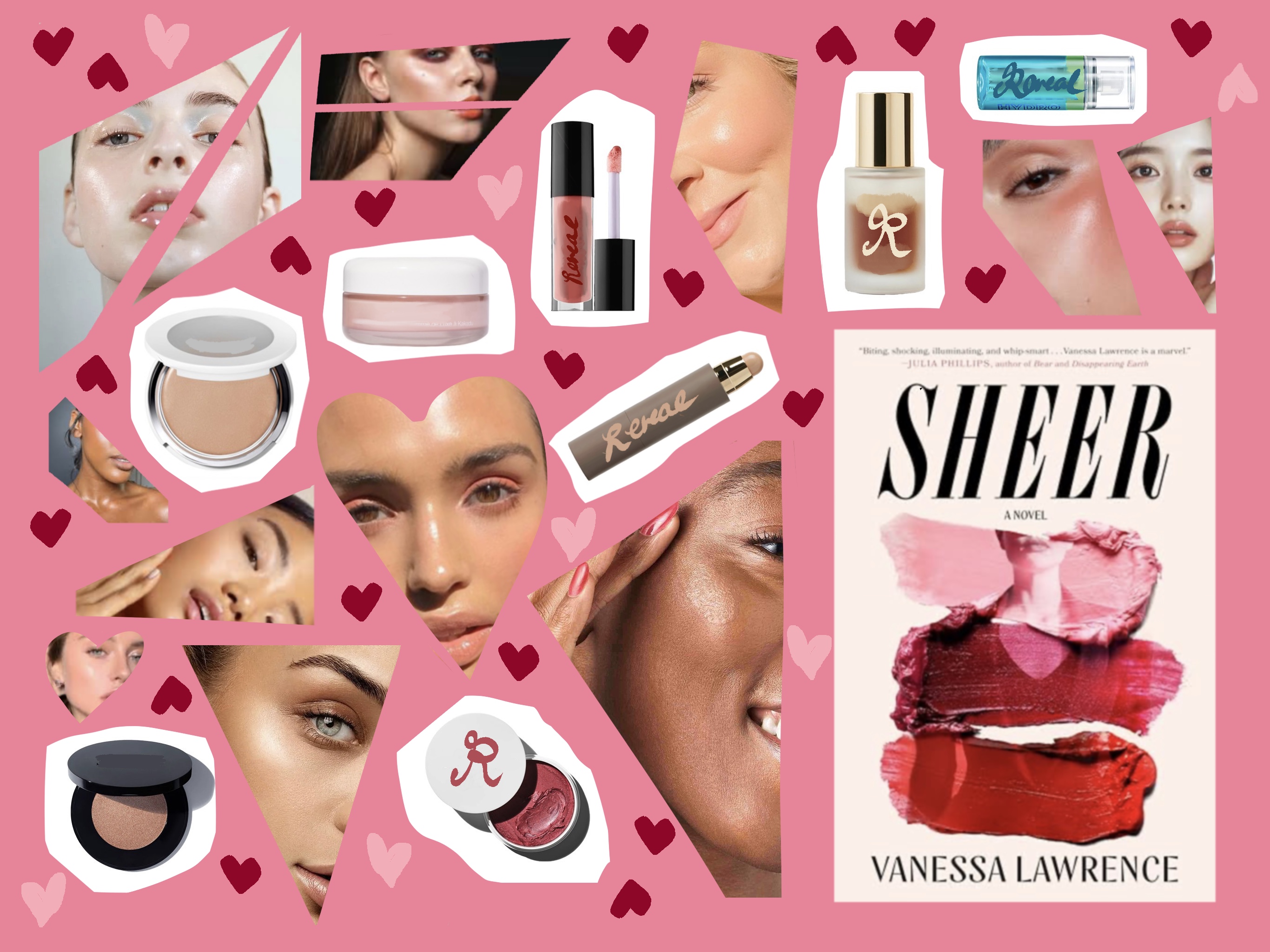
Vanessa Lawrence’s novel Sheer is presented as the personal memoir of a success-obsessed beauty mogul.
The story starts with make-up magnate Max sitting in her New York apartment, waiting to hear whether her beloved company is going to be ripped away from her. She’s got nine days to fill before she hears the Board’s verdict, so she takes to her computer, frantically typing up her tale.
Max’s personal story is inextricable from that of Reveal, the beauty business she built from the ground up. What started as a youthful obsession has become an empire, thanks to the help of an “angel” investor back in the halcyon days of the 1980s, as well as Max’s own single-minded determination to succeed despite all costs.
Max has always had to fight for Reveal, and for herself as a woman in business; she goes from being too ahead of her time to having to struggle for relevance in the modern industry.
By 2015, Reveal’s legions of customers have turned on Max – and she’s struggling to stay in control of the one thing that matters most to her.
The fictional Reveal line is a clear precursor to real-world cult beauty brand Glossier, being essentially make-up for women who are already beautiful. Reveal’s product philosophy – dewy, fresh looks achieved through the gentle application of tinted balms and soft sheen highlighters – is intended, Max says, to reflect the transparency of its business practices.
So Sheer, as the title of the novel, has several meanings: not only referencing the glowy look championed by Reveal, but also the sheer ruthless ambition of Max – and the sheer drop she faces off the edge of the business precipice.
The first 80 per cent of the book was an intensely enjoyable read – well plotted, clearly voiced – exploring big themes like generational difference, cancel culture/culture of accountability, and feminism in consumer culture without pushing the reader towards any particular conclusion. In Sheer, make-up, like any artform, is given due credit as symptomatic or symbolic of wider culture themes and preoccupations.
Unfortunately, I was a bit baffled by the ending, which – without giving too much away – seemed rushed and quite different in tone to the rest of the novel. Max makes decisions which felt either out-of-character or reflective of some unexplained personal development.
Despite this, the book is a pleasurable page-turner, frequently using rich, evocative language in descriptions of make-up products to connect the rituals of beauty with feelings of sensuality. “There is nothing that compares to the sensation of a woman’s face beneath your fingers,” says Max, applying orgasm-pink Flush tint to her customer’s cheeks. Max is a lesbian, largely closeted due to social stigma, and it is this perspective that frees her to think about make-up in a new way – not as something centred on attraction to men, but an experience of desire which echoes the visual markers of sex.
This isn’t to say that Sheer is a pure pleasure read or a pearly pink #girlboss tale of patriarchal resistance. The female-orientated gaze of Reveal’s product line, and the wider industry it represents, has both its pleasures and pitfalls for Max, who we come to understand is not only a controversial figure but also an unreliable narrator. Like Max, we, the readers, are forced to look beyond the gloss.

 Emily Jessica Turner