This report on the Watts Gallery Victorian Sorority symposium was originally published on the BAVS Victorianist site – you can read the original post here.
Victorian sororomania: creative and cultural ‘sisterhoods’ in the 19th century
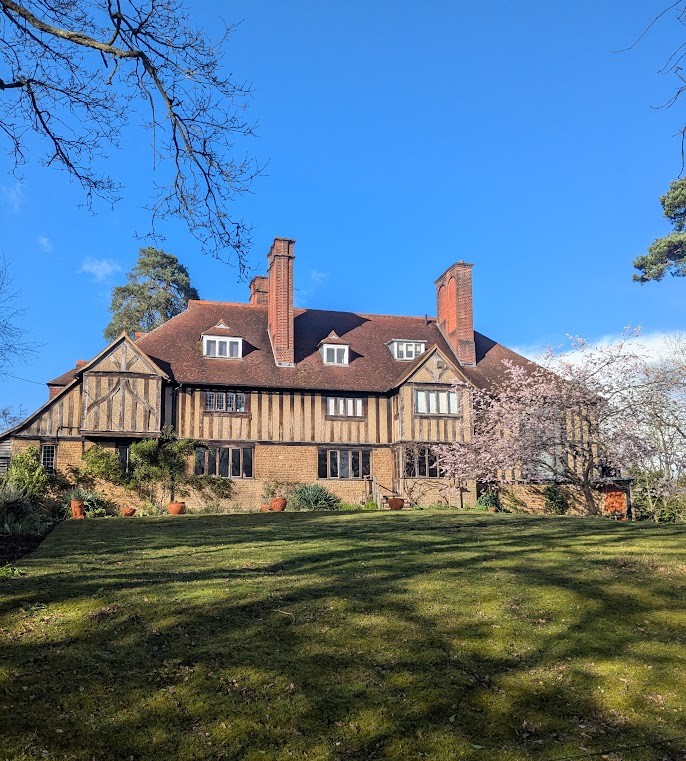
Victorian Sorority: Sisters in the Arts was a one-day symposium held at the Watts Gallery, the Surrey home of nineteenth-century artists George Frederick and Mary Watts.
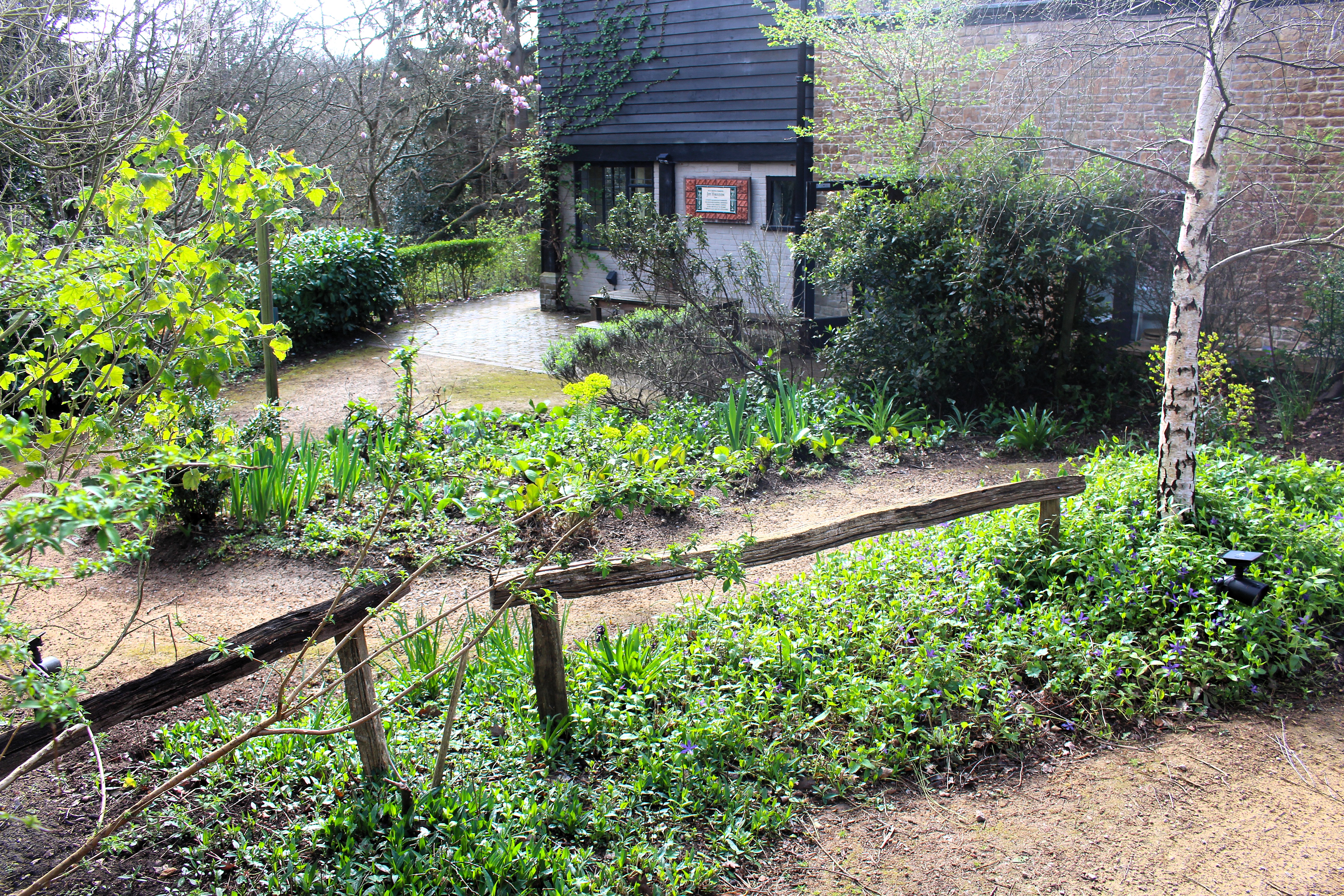
The gallery’s beautiful Limnerslease building – once the artists’ studio – brought scholars, art historians, and enthusiasts together to explore familial, creative, and political sisterhoods in the Victorian era.
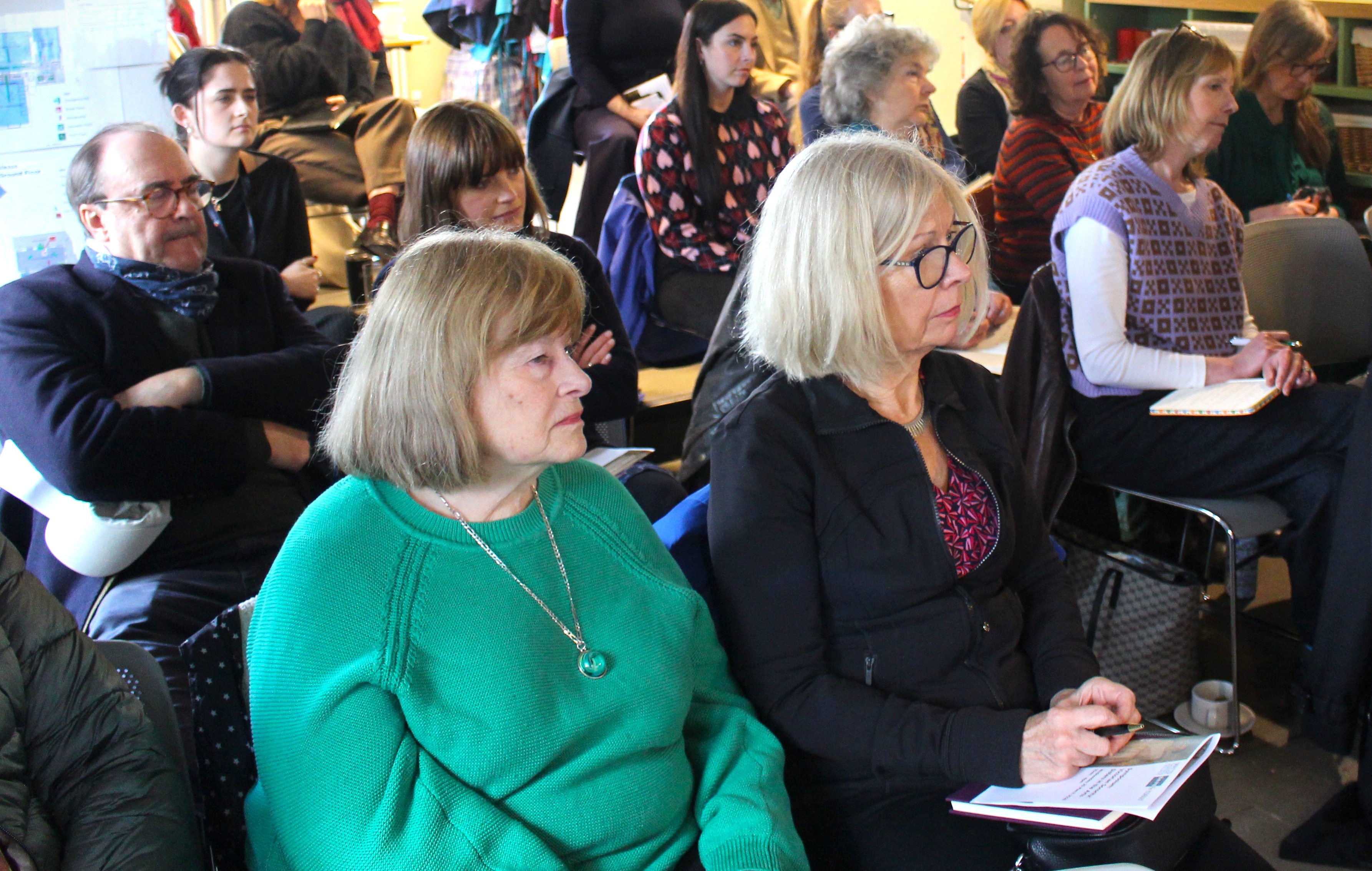
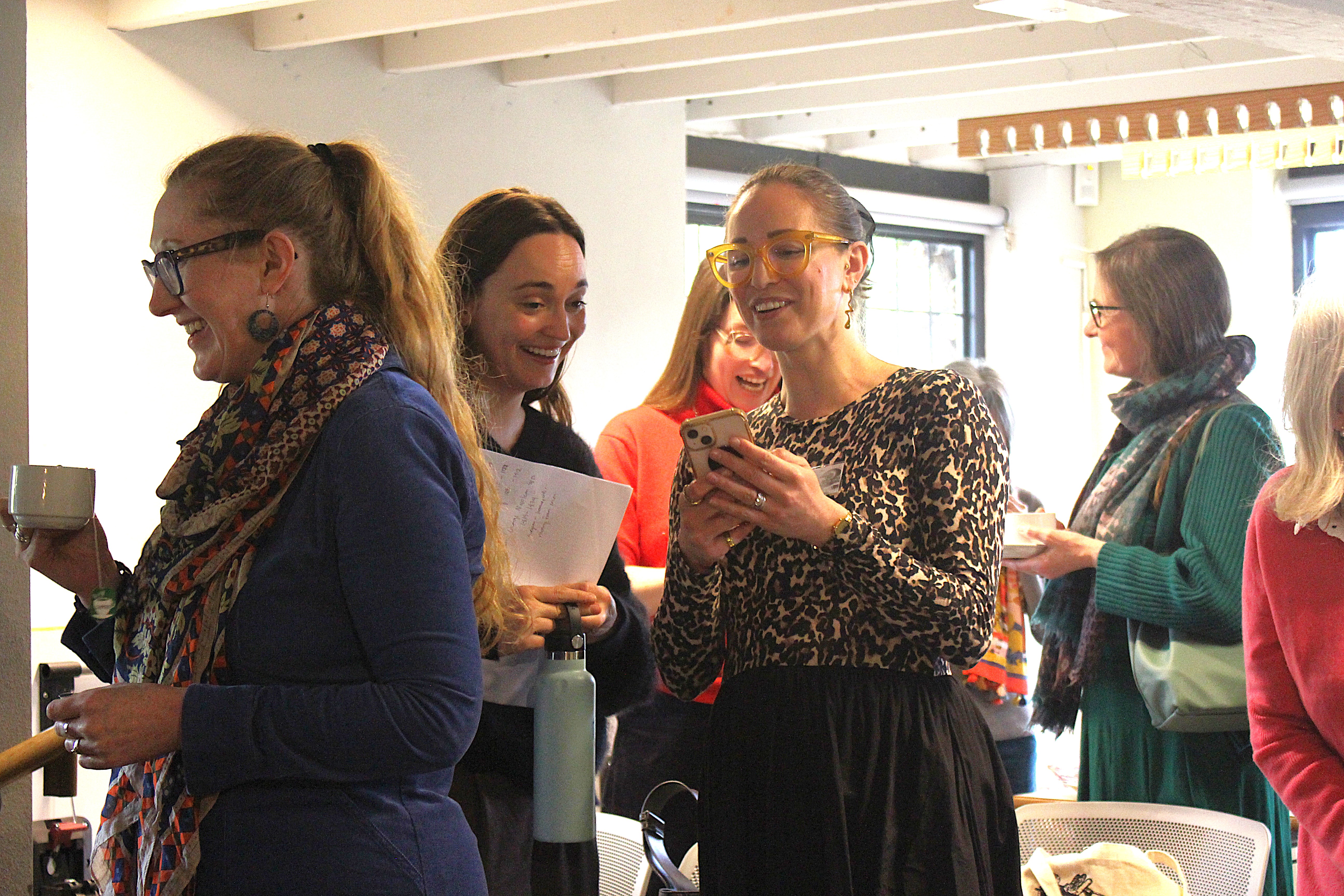
Held in March to mark Women’s History Month 2026, Victorian Sorority brought together speakers who are researching the creative and cultural relationships of different types of sisters in Victorian Britain. Heard together, the talks revealed the ‘sororomania’ of the era – its fascination with sisterhoods united by both family ties and work. As well as showcasing this new research, the symposium aimed to foster dialogue across the heritage and higher education sectors.
The symposium, hosted in collaboration with Surrey University and BAVS, coincided with the gallery’s exhibition Women of Influence: The Pattle Sisters. This exhibition, which is on until May, introduces the seven Anglo-Indian sisters whose influence rippled through the worlds of art, literature, photography, and society. While photographer Julia Margaret Cameron is the most celebrated of the seven Pattle sisters today, all were known in their day for their wits and talents as well as the artistic salons they hosted at Little Holland House in London.
The gallery’s Exhibitions Curator Corinna Henderson opened the event, exploring how the Pattle sisters worked together to create the ‘cultural infrastructure’ of Little Holland House – organising, hosting, and creating environments where creativity could flourish.
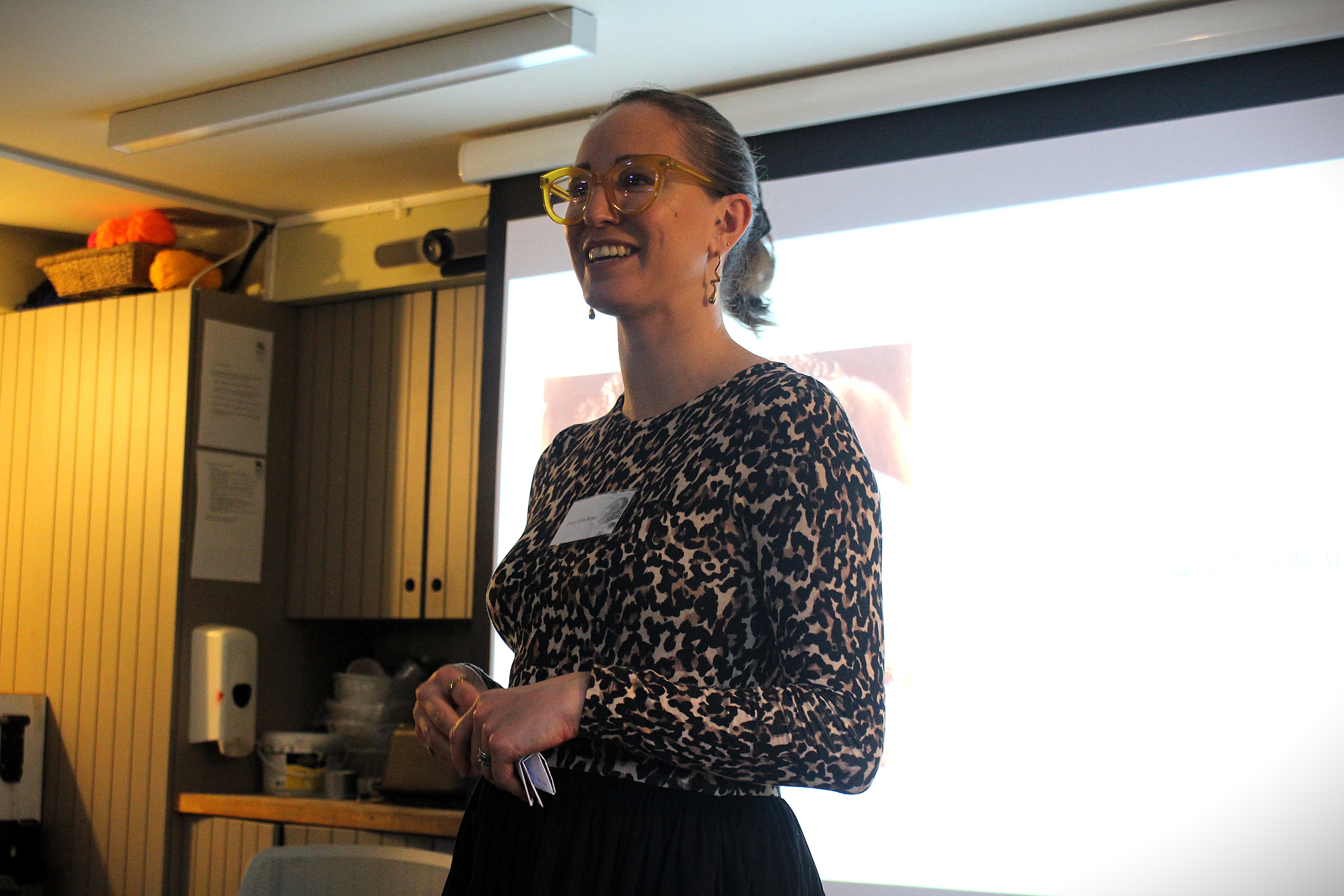
Dr Lucy Ella Rose, who organised the symposium, then took to the podium to introduce a new definition of ‘sororomania’ as observed in Victorian Britain, drawing from a range of examples of networks of sisters in both blood and art.
One such example, the three Epps sisters, was the focus of Dr Eliza Goodpasture’s paper. She spoke about the cultural sorority formed by the artistic Epps sisters – one of whom married prominent painter Lawrence Alma-Tadema – as well as the challenges modern researchers face when thinking about this sisterhood. The sisters, who lived close to each other and spent much time in each others’ company, did not leave much by way of life writing, leaving an archival absence which complicates readings of their working and domestic lives.
Next up was Casey Maeve, who is currently researching lesbian/proto-“queer” histories in Victorian culture and society histories. In her paper, she considered the nineteenth century sapphic network as a form of sorority, exploring female ‘romantic friendships’ and Boston marriages, as well as highlighting actress Charlotte Cushman’s ‘strange sisterhood’ in the hills of Rome and literary salon queen Natalie Clifford Barney’s salon of sapphic sisterhood.
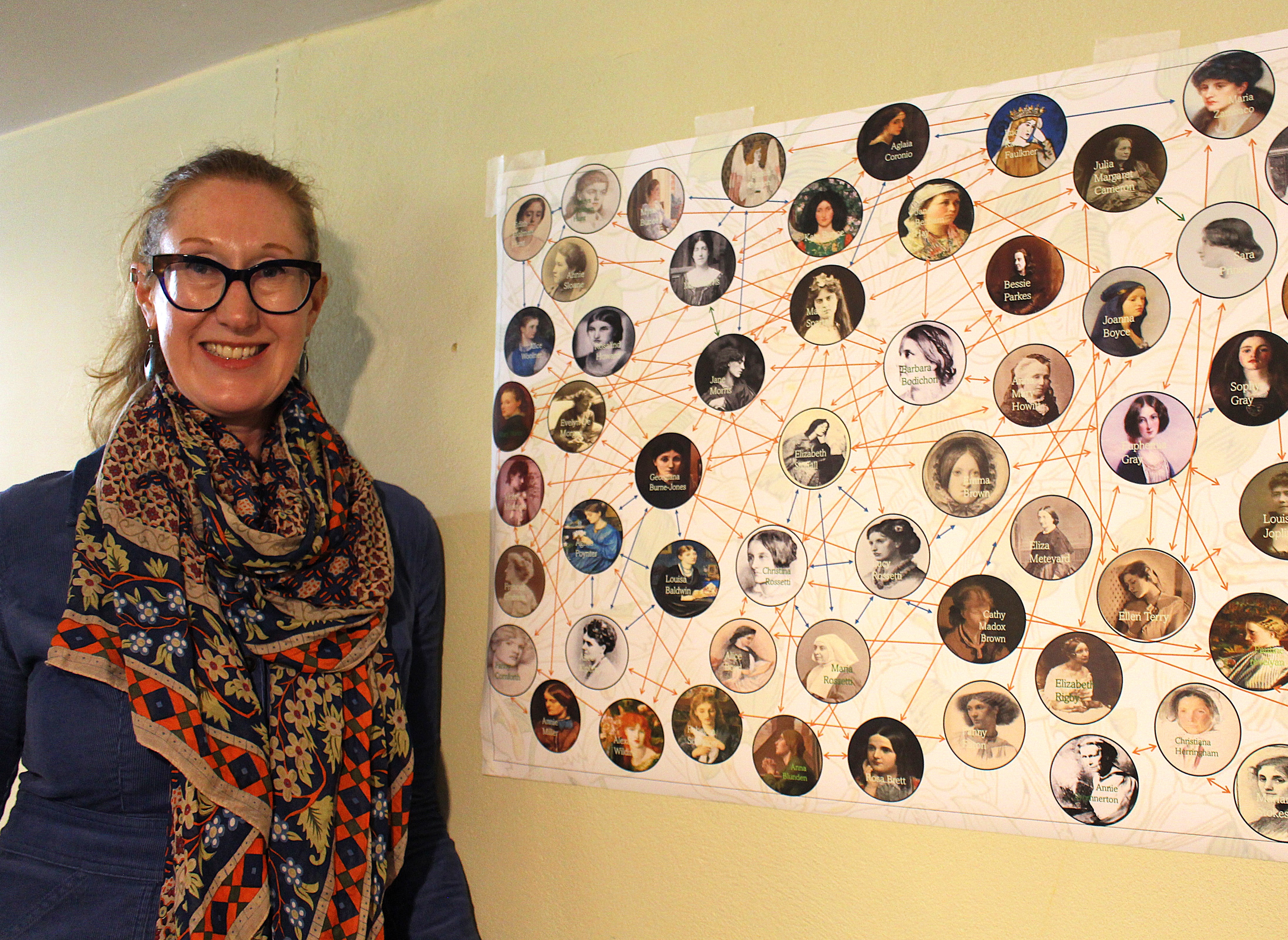
Returning to a focused consideration of a specific sisterhood, Dr Alex Round then spoke on the topics of Pre-Raphaelite women’s circles, as well as the lives and legacies of the ‘Sisters in Art’ (artists Anna Mary Howitt and Barbara Leigh Smith and poet Bessie Raynor Parkes) who formed a network linked by friendship, collaboration, and women’s suffrage.
Bringing the symposium to a close, keynote speaker Professor Serena Trowbridge further examined the importance of relationships between Pre-Raphaelite women. She argued that while the Brotherhood is well known and well celebrated, there is much more work to be done researching the women who helped shape this artistic movement.
Each speaker put forward a fascinating paper informed by robust research as well as female-focused analysis, creating a compelling and enriching event for all involved. Together, their voices formed a new type of cultural ‘sisterhood’ – a sororal feeling felt by all who attended.